
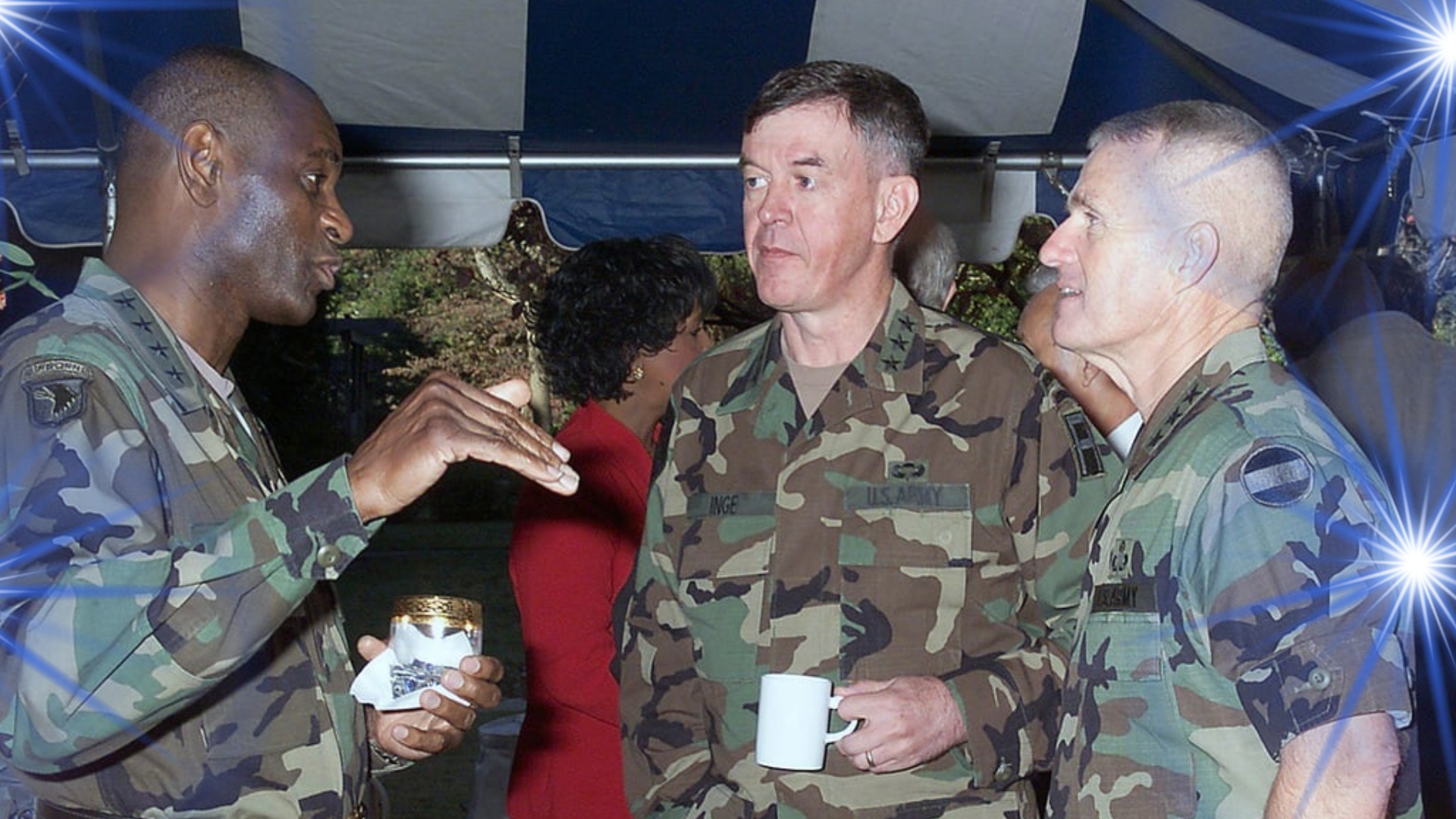
The Legacy of General Larry R. Ellis
General Larry R. Ellis is an embodiment of a lifetime of exemplary leadership. His military career in the U.S. Army is impressive. He reached the top positions as a soldier. His service left a legacy of power.
Then, we get professional opinions on his contribution. Scientists point out his historical elevation to a four-star general. According to analysts, he was tactful in key events in the world. Academics examine his case of switching from military leadership to the corporate realm. His career is an example of how great things can be done.
Lastly, there was a leader who crossed worlds. General Ellis linked an HBCU classroom to the highest offices of the Pentagon. He was able to cross over battlefields to the boardrooms. The versatile leadership that he demonstrated in his life is a masterwork on how the commitment of a single individual can empower a nation.
Early Life and Education
Larry Rudell Ellis was born in Maryland in the year 1946. His leadership journey started at Morgan State University. He belonged to the National Society of Pershing Rifles. This was a source of his initial military ambitions. He received a degree in physical education in 1969, which was a Bachelor of Science. He was a Distinguished Military Graduate at Morgan State. This award was a launchpad to a brilliant career. His education did not end at that. General Ellis continued with his higher studies. He studied at Indiana University. In 1975, he attained the Master of Science degree in Physical Education. The combination of academic and military education formed a good base. It gave him the readiness for the complicated challenges.
A Distinguished Military Career
General Ellis was made an Infantry Officer. He joined the U.S. Army through the ROTC program. His life in career was over 35 years. It caused him to work in other parts of the world. He was stationed in the United States, South Vietnam, Germany, South Korea, and Bosnia and Herzegovina.
He started his combat life at a tender age. Therefore, he was a platoon and company commander in Vietnam. Such positions were an ordeal of his bravery and leadership in the battle. He soon demonstrated his abilities. This resulted in successive significant command appointments. He commanded at every level. This extended to the lowest ranks of the Army, such as platoon leaders, to the Army command.
Key Command Assignments
General Ellis served in many command posts. All of them were an experience for him. He led the 1st Armored Division in Germany. He was the head of Multi-National Division (North) in Bosnia and Herzegovina. This was a critical peacekeeping operation. He had been an Assistant Division Commander with the 2 nd Infantry Division in South Korea.
His leadership spread to other units. He was a Brigade Commander of the 3rd Infantry Division. He was a Battalion Commander in the 5th Infantry Division at Fort Polk in Louisiana. Thus, he also served as a Company Commander with the 101st Airborne Division in Vietnam. His initial experience in the army was serving under the 82d Airborne Division and serving Fort Bragg. This wide experience gave him a profound insight into Army operations.
Pinnacle of Service
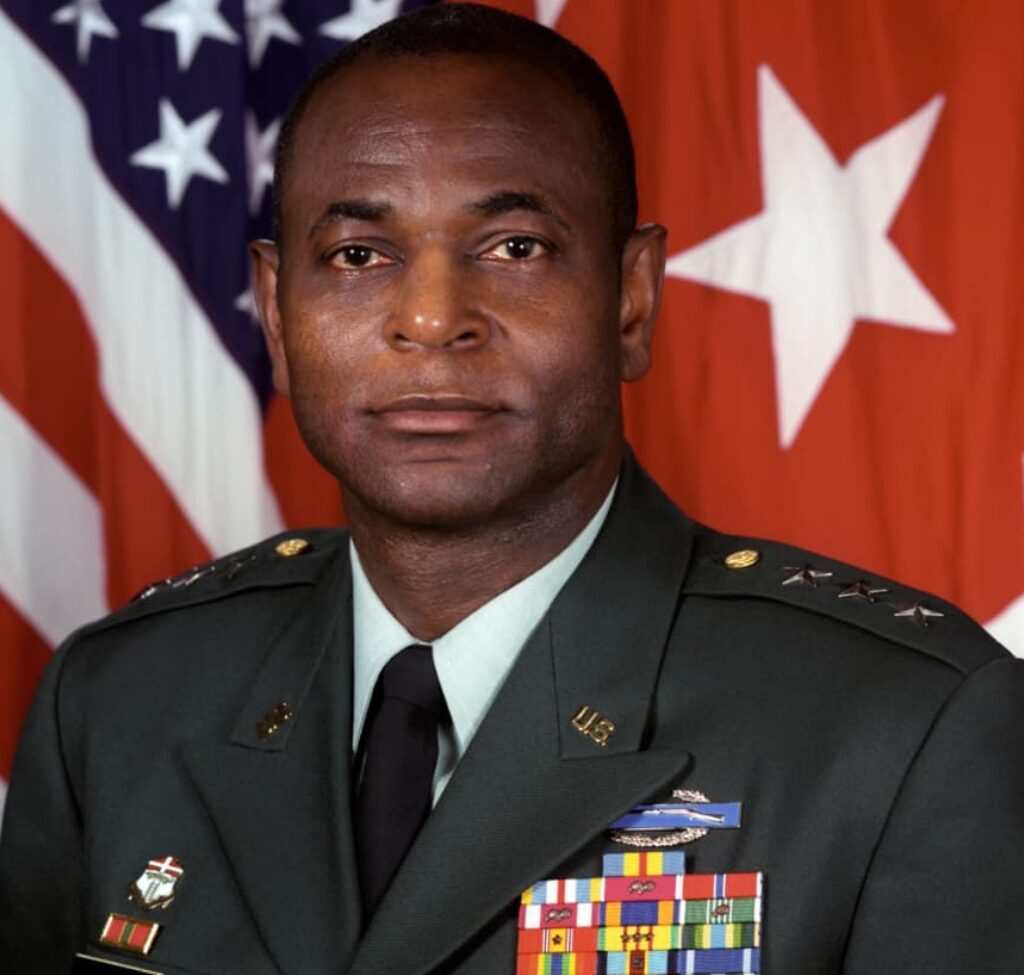
General Ellis was able to record a historic achievement in 2001. He advanced to become a four-star general. He was the fourth African American in the history of the U.S. Army to make this grade. This was a great personal accomplishment. It was also historic for Morgan State University and the entire Historically Black Colleges and Universities (HBCUs). He became the first HBCU graduate to make four four-star generals.
The last assignment of active duty was the Commander of the United States Army Forces Command (FORSCOM). This is the largest command of the Army. He held this position from 2001 to 2004. He was in charge of Army affairs in the period of time after the September 11 attacks, when there was a critical situation. His leadership played a critical role in the training and mobilization of troops for missions of national security.
Senior Personnel and Strategic Positions.
General Ellis was also a brilliant strategist outside the battlefield. He had worked in high positions of staff at the Pentagon. Thus, he worked as the Department of the Army Deputy Chief of Staff, Operations, Plans, and Training. He is the first black to have occupied this high position. He dealt with multi-year budgets and programs. These projects helped in national strategic purposes.
His experience of working internationally was wide. He worked in the United Nations Command in South Korea. There he served as the chief operations officer of the entire forces in the Korean Peninsula. He has also served in the U.S. Indo-Pacific Command in Hawaii as a strategic planner and policymaker. These jobs showed that he was skilled in handling complicated geopolitical environments.
A Legacy of Awards and Honors
The service of General Ellis won him many awards. He earned his military awards, which demonstrate a distinguished career. These are the Defense Distinguished Service Medal and the Army Distinguished Service Medal. He was also awarded the Bronze Star Medal in his service to Vietnam. The other outstanding decorations are the Legion of Merit, the Air Medal, and the NATO Medal. He boasts of the Combat Infantryman Badge and Senior Parachutist wings.
His military achievements are not the only honors. He was awarded an Honorary Doctor of Laws. He has also received both a Distinguished Alumni Award at Morgan State University, Indiana University. Therefore, he was awarded the Ellis Island Medal of Honor. Thus, he was awarded the National Service Award and the Frederick Douglass Medal by the NAACP. Those awards point to a life of service and perfection.
Post-Retirement Influence
In 2004, General Ellis had retired from the Army, but he did not relax. He shifted towards the corporate world. He worked as the President and CEO of a body armor manufacturer, Point Blank Solutions. Also, he is the current CEO of ESSE, which is a consulting company. His experience in the military is also a useful lesson in the business world.
He still renders service to the community in numerous ways. He serves as a Vice Chair of the Board of Regents of his alma mater, Morgan State University. And he is an Advisory Board Member in the School of Public Health at Indiana University. He serves as a board member in various nonprofit organizations. He also donates to the Shepherd Center, which helps people injured in the spinal cord and brain. And, he is still dedicated to his service to the people. Therefore, he took the office of Presidential appointment to the American Battle Monuments Commission. He was also a member of the National Commission on the Future of the Army. His work assists in shaping the future of the military and glorifying the past.
An Exclusive Tradition of Interconnected Leadership.
General Larry Ellis made his career out of crossing the globe. He linked the rigidity of an HBCU to the utmost of military direction. He associated the battlefield command and the strategic planning at the Pentagon. Thus, he shifted the military service to the corporate leadership and nonprofit governance. His heritage is not merely the history of breaking boundaries. It is a feat of the strength of interlinked leadership. He showed that the skills developed in one field could have an immense effect in another field. His life demonstrates that being a leader is an unending thread that is interwoven in all his acts of service that formed a sturdier cloth to the nation to which he served and still serves.

l3be78