
An Essential Guide to Digital Marketing Types
Digital marketing involves utilizing the internet to promote a brand. It uses multiple digital platforms to link businesses and customers. The strategy has revolutionized the way organizations communicate with their audiences. It does not exclude customized messages. It assists companies in selling directly to the interested individuals. The knowledge of the various types is central to the success of a strategy.
Here, the author discusses the basic forms of digital marketing. We shall discuss the way each of them works. You will witness how they contribute to the business’s growth. Whether it is the enhanced search presence or the use of social media, both approaches have their own advantages. We will take a look at the instruments that define modern marketing.
What is Digital Marketing?
Digital marketing is the process of advertising products or services online. It involves such tactics as social media messages, email newsletters, and advertisements on search engines. These channels directly reach the audience of businesses. This will be a more effective way of engaging and also having quantifiable outcomes.
Types of Digital Marketing
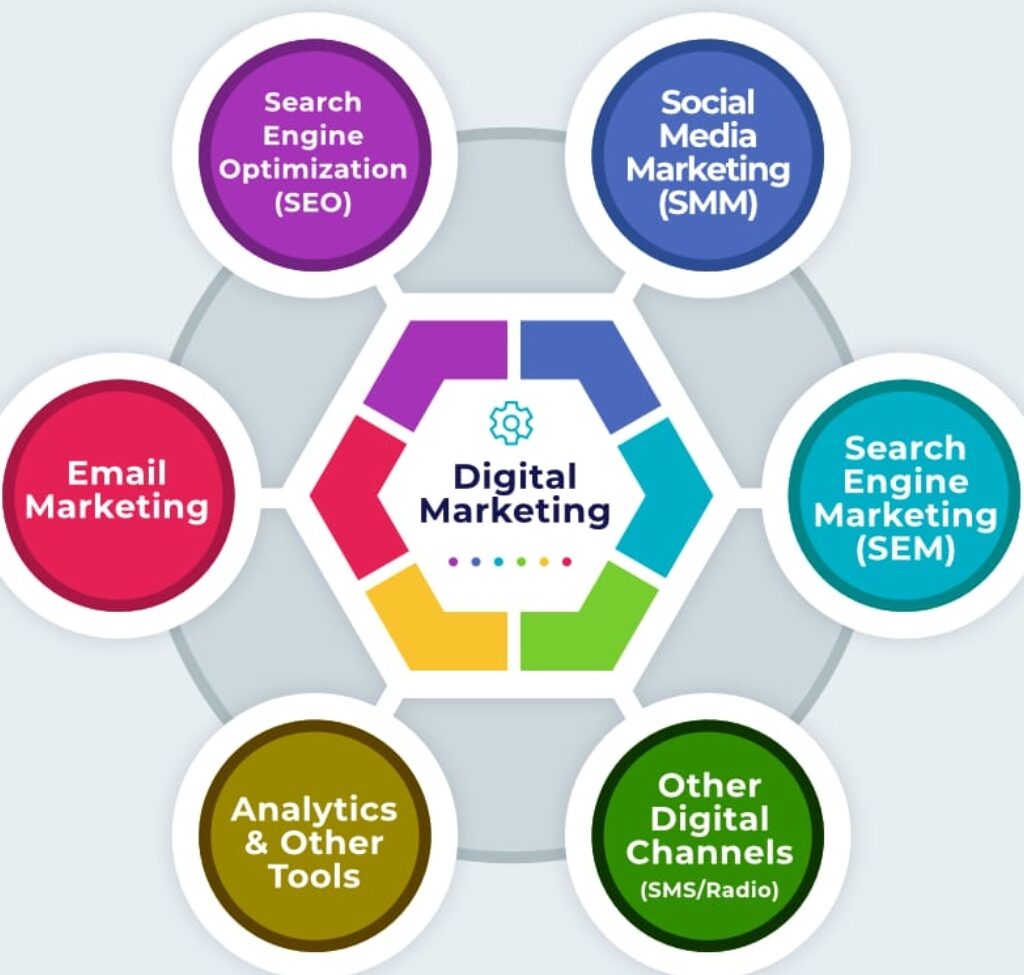
Digital marketing has the following types:
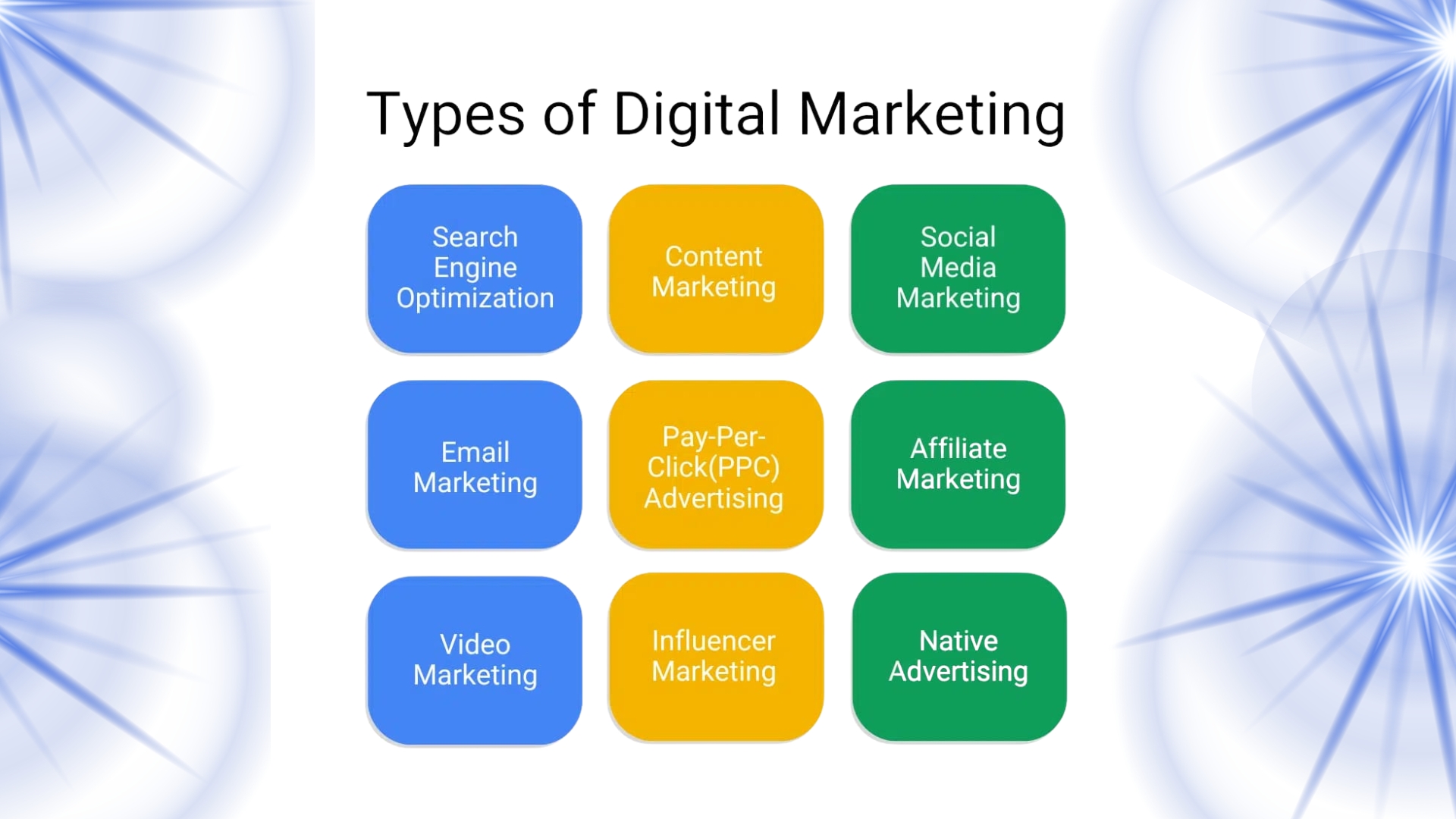
- Search Engine Optimization (SEO): to enhance the visibility of the websites in search engines.
- Content Marketing: The production and distribution of valuable content.
- Social Media Marketing: Marketing on social media such as Facebook, Instagram, etc
- Email Marketing: Sending focused messages to audiences.
- Pay-Per-Click (PPC): Advertising on a per-use basis on the search engines or websites.
- Affiliate Marketing: Cooperation with other people to advertise products.
- Influencer Marketing: Partnering with influencers to access their followers.
- Mobile Marketing: A Mobile app or SMS can be used to reach users.
- Video Marketing: Promotion and Education with videos.
- Online PR: PR management via the internet.
Search Engine Optimization (SEO).
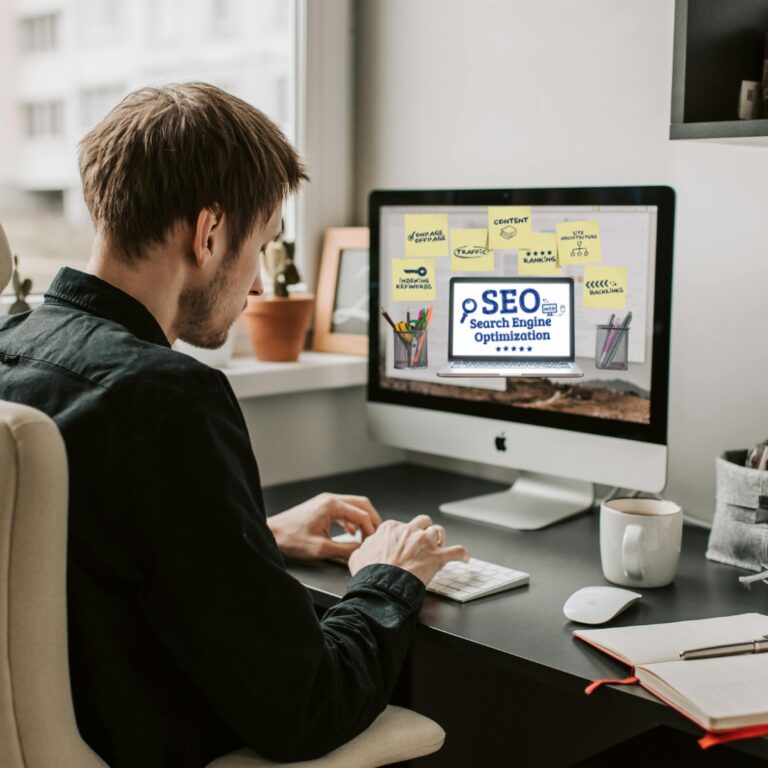
Search engine optimization is known as SEO, and it enhances the visibility of a website. It will make your site get ranked higher in search engines. This boosts organically induced traffic. SEO marketers study the words and phrases that people use. They include such keywords in the text of websites. SEO involves many elements. On-page optimization takes place at the web pages level. It consists of content, headers, and use of keywords. Technical SEO makes a site search engine friendly by designing it in a way that the search engine crawlers will index it. This implies that load times are limited and there is a well defined sitemap. Off-page SEO entails the establishment of links by other authoritative web sites. This is an indication of authority to the search engines.
Search engine algorithms are dynamic. SEO strategies should evolve so as to become effective. The ultimate tenet is offering quality user experience. It is important to have high-quality content. Trust is gained on a well-optimized site. It is more exposed to the potential customers. SEO is sustainable growth strategy.
Content Marketing
Content marketing is a strategic strategy. It is concerned with valuable, relevant content creation. This is an approach that will appeal to a well-articulated audience. The end objective is to cause profitable customer action. The content may be blog posts, videos or ebooks. It is not only selling but provision of information.
Quality content establishes a good relationship with the customers. It makes your brand a reputable source. Human beings value useful information. They tend to have more belief in a brand that informs them. This trust may result in long term loyalty and sales. The content marketing collaborates with other digital strategies. Indicatively, high quality content forms the basis of SEO. The social media requires content to be shared. Consider content to be the base. It promotes your whole online marketing strategy. The library of useful content can win the users over years. It answers their questions. It solves their problems. They will not forget your brand when it comes to making purchases.
Pay-Per-Click (PPC) Advertising.
,Pay-Per-Click is a paid advertisement. It gives the marketers the opportunity to advertise on the search engines and other websites. You charge a fee whenever someone clicks your advertisement. This is an instant way of getting traffic. It is a mode of enhancing search visibility in a short time. PPC campaigns have accurate targeting. You may display advertisements to the users depending on demographics, interests or location. The most important targeting technique is also the use of keywords. Your advertisement is displayed when a person types a word that is associated with your business. This is to guarantee that you receive a relevant audience.
The most common PPC medium is Google Ads. Campaigns are very quantifiable. You are able to follow clicks, conversions and ROI. This information will assist you in streamlining your plan. You are able to modify your budget and targeting towards improved results. PPC is a short-term tactic. The advertisements vanish as soon as the payments are stopped. It works well when it comes to specific promotions or rapid lead generation.
Social Media Marketing
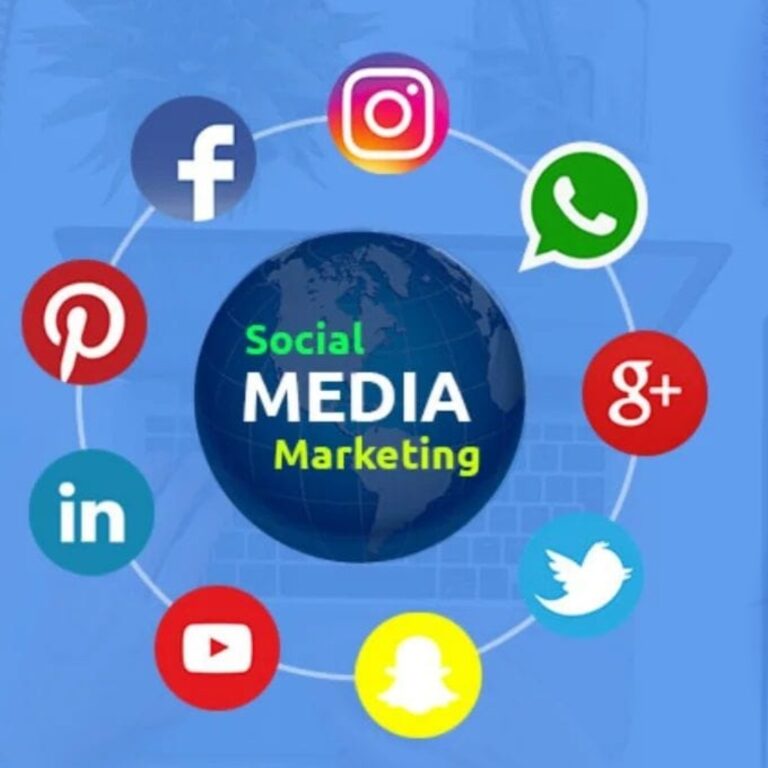
Social media marketing employs sites such as Facebook, Instagram, and LinkedIn. It links brands to the audience. This has the potential to create brand awareness. It can generate leads. It can also drive sales. However, it does not merely concern posting updates. An effective strategy must be consistent. The content should be platform-specific. It is necessary to interact with followers. This creates a society that surrounds your brand. Social media also presents strong advertising tools. Paid campaigns can be used to attract new audiences. Targeting choices are highly elaborate. This enables effective spending on adverts.
Social media marketing involves analytics. Marketers monitor the post performance and interaction. This knowledge informs the future content. It assists in the coordination of messages through all marketing channels. Social media marketing is a combination of both creative and data-driven marketing. It plays a significant role in reaching contemporary consumers.
Email Marketing
Email marketing is a direct communication medium. It is also a process whereby messages are sent to a group of subscribers. These subscribers have authorized you to call them. This renders it a very strong marketing instrument. Leads and retention Leads Email can be used to cultivate leads and keep customers. It is possible to use campaigns to popularize products, news, or provide exclusive content. One of the strengths is personalization. You are able to divide your audience depending on their interests or previous behavior. This enables you to pass on very pertinent messages. A personalized e-mail is closer to a one-on-one discussion.
Email marketing has a high customer payoff. It is an economical method of associating customer loyalty. This is information that demonstrates the persuasiveness of your campaigns. In comparison to social media, you have your email list. It is in your hands to have a rapport with your followers.
Influencer Marketing and Affiliate.
Affiliate marketing is a performance-based technique. Affiliates are businesses that work with individuals or companies. These affiliates market your products or services. They make a percentage on every sale or lead they produce. It is a minimal risk method of increasing your reach. Influencer marketing is a similar concept. It entails working with people who have a high number of followers on social media. These influencers advertise your brand to their audience. The partnership does not seem false to their followers.
The two approaches utilize third-party voices. They leverage existing audiences. This can make your brand known to new groups of customers. It is important to select the appropriate partners. They must be in line with your brand values. They must be the people who correspond to your target market. These plans have the potential to propel big sales and brand recognition.
Mobile Marketing
Mobile marketing is concerned with access to smartphones and tablets. It relies on such channels as SMS, mobile applications, and mobile-friendly websites. Individuals spend a lot of time on their phones. That is why mobile marketing is necessary in any business.
Mobile device strategies should be changed. The material must be mobile-friendly. Websites should be responsive. Load times should be fast. Mobile marketing is very precise. As an illustration, you can make offers to customers depending on their geographical location. The popular tricks are in-app advertising and mobile search. Marketing possibilities are also provided by social media messaging applications. The purpose is to offer timely, pertinent information. It is essential to have a smooth mobile experience. It reaches out to the customers at their point of activity.
The Future Is a Wholesomely layered Approach.
Online marketing does not involve a one-way path. It is concerned with integrating several approaches. There are strengths of every kind of marketing. Trust is created through content marketing. SEO drives organic traffic. PPC delivers quick results. Community is developed through social media. Email develops relationships. A bundled strategy is developed, which is very strong. This synergy is comprehended by the most successful brands. These channels are not perceived by them as silos. They regard them as part of the bigger picture. Your business should develop its strategy. Test different channels. Measure your results. Discover the appropriate combination that will align with your audience and reach your objectives. That is the actual secret of digital marketing.
zfi6x1