
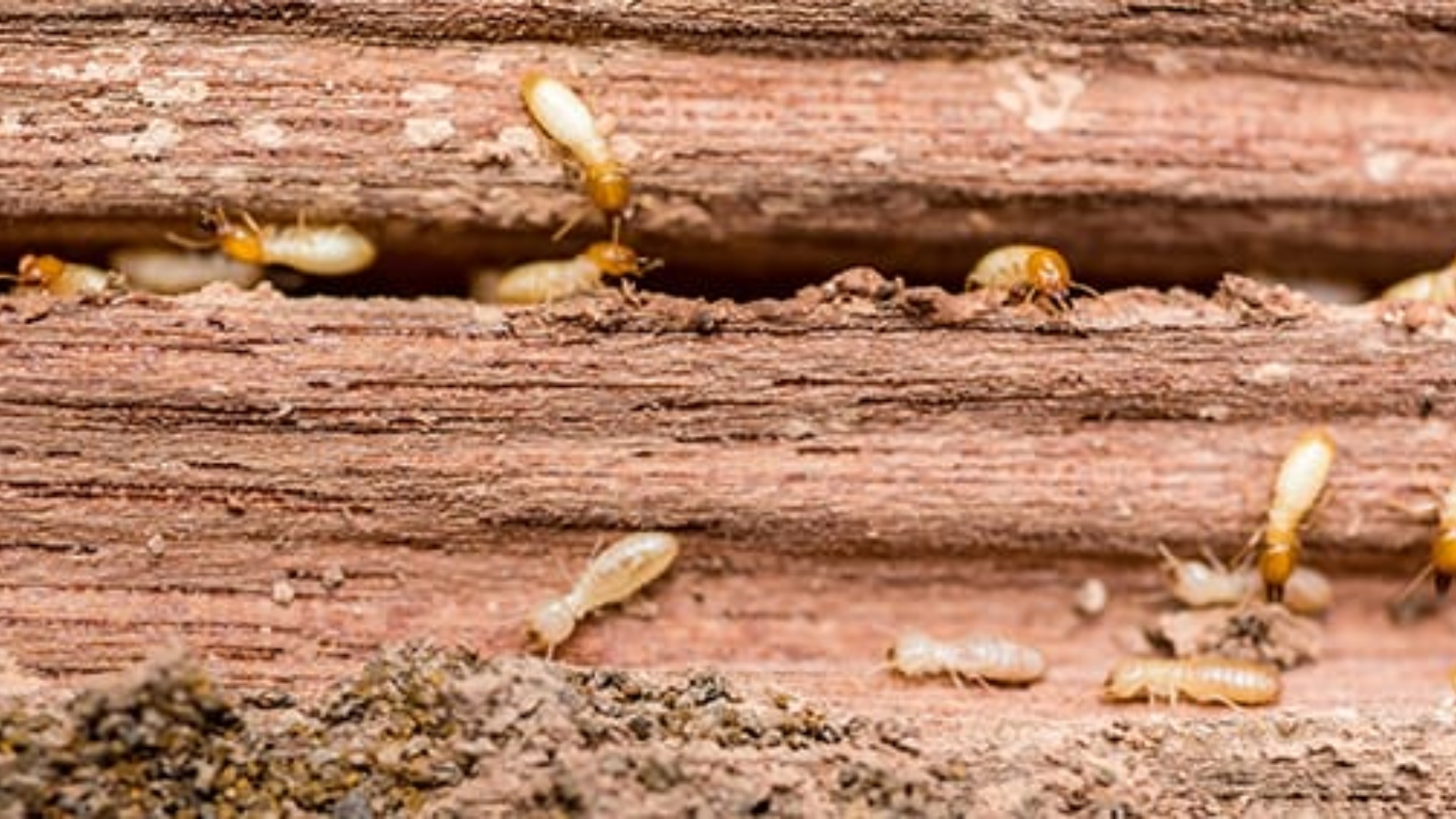
What Do Termites Look Like? A Homeowner’s Guide
One of the major pests is the termite. They eat wood and kill homes without making a noise. This causes costly structural damage. Every homeowner is important to understand their appearance. It is a way of securing what you have against such an unknown enemy.
According to researchers, termites are highly ordered social insects. Research indicates that they live in a caste system. There is a role assigned to each member. Their endless pursuit of cellulose damages property in the billions, according to the experts. They are not noticeable and therefore hard to detect at an early stage. Just imagine there is something inside your walls.
It works day and night. It makes the foundation of your home its food. This is the world of termites. The key to preventing them is to uncover their identity. This information will enable you to secure your house.
What is a Termite’s General Appearance?
Termites are small insects. They are normally between 1/4 and 1/2 of an inch in length. Their bodies are soft. They have straight antennae. Their color is between white and light brown. The termites are workers and are usually light in color and creamy white. Swarming termites are termed alates. which are commonly dark.
There are three major parts of a termite’s body. These include the abdomen, the head, and the thorax. Not as happen with ants, termites possess a sturdier waist. It is not obvious between the thorax and the abdomen. This is a broad-waisted look, which is also a definite marker.
Wings are present on flying termites or swarmers. The wings they have are two. The length of the two pairs is equal. It is one of the big distinctions of flying ants. The front wings of the flying ants are longer than the rear wings. Discarded wings around windows or doors are indications of termites.
How Different Termite Castes Look
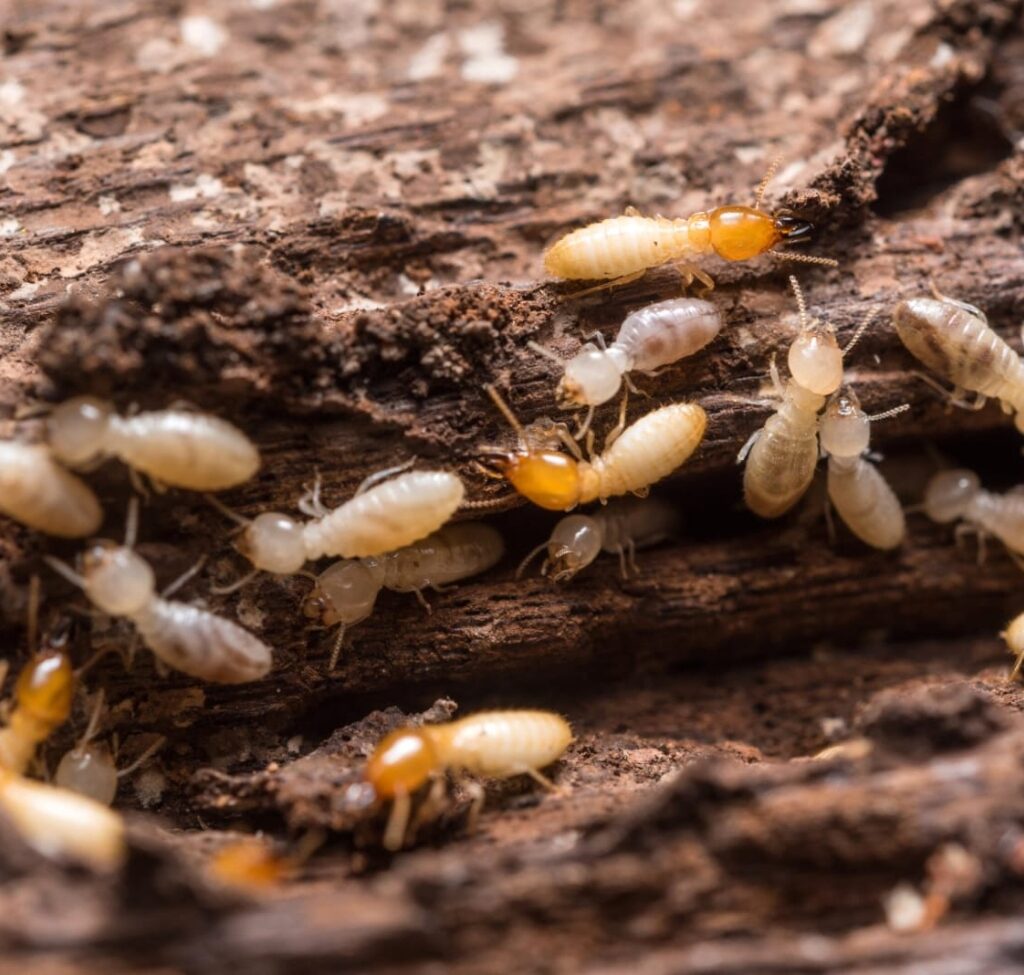
There is a caste system within the termite colonies. Every caste is a certain part. They look different according to their occupation in the colony. The castes are three: workers, soldiers, and reproductives.
Worker Termites
The greatest part of the colony is composed of worker termites. They have the responsibility of food finders. They also build tunnels. Therefore, they are the attendants to the queen and young termites. Workers are about 1/8 inch long. They measure soft, creamy white in body. They are deaf and are on 24 hours. The worker termites are not likely to be seen. They remain concealed in walls or the tunnels.
Soldier Termites
Defense of the usual colony is done by soldier termites. They shield it against predators such as ants. The heads of the soldiers are large and armored. Their heads are usually darker, such as brown or black. They, too, possess great mandibles, or jaws. The worker termites are smaller than the soldier termites. They are also blind like their workers. They cannot feed themselves as they have specialized heads. Therefore, they depend on termite workers as a source of food.
Appearance Differences Among Termite Species
The swarmers are reproductive termites. They are supposed to be the future kings and queens of the new colonies. These termites are either dark brown or black. Two similarly sized wings are found on them. They have harder bodies than those of workers or soldiers. They have functional eyes. The termites that are most common are called Swarmers. They hatch out of the nest to mate. This normally occurs during the spring. Once they have a mate, they land and lose their wings. Then they start a new colony. The king and queen are at the head of this new colony. The queen termite may become very large and is even more than an inch long. She turns into a machine that lays eggs.
Interspecific Differences in Appearance of Termites.
The worldwide species of termites are more than 2,000. There are a few species that are the most harmful in the United States. There are slight differences in their looks and ways.
Subterranean Termites
The commonest type of termites in the U.S. is subterranean. They dwell in colonies on the earth. They construct mud tubes that they use in the movement to and from their nest and food sources. The size of these termites is 1/8 to 3/8 inches. They are of creamy white to dark brown or black color. A typical example is the eastern subterranean termites. Formosan termites- They are a highly aggressive underground termite species Part of a colony of Formosans may be devastating within months.
Drywood Termites
Drywood termites are the infestants of dry wood. They do not require physical contact with soil. The wood they consume provides moisture to them. These termites commonly occur in furniture and walls, and attics. They may be 3/8 of an inch to one inch in length. They are normally yellow-brown in color. One of the most prominent fruits of drywood termites is fecal pellets, which are referred to as frass. Frass resembles grains of sand or sawdust, which are six-sided.
Dampwood Termites
Dampwood termites attack the wood of high moisture content. There are fewer chances of infestation in homes. They like putrefied logs or stumps. They are bigger than other species of termites. Therefore, they extend to 1/2 to 5/8 inches in length. Their bodies are reddish. Dampwood termites might be a problem in case of a leakage in your house or if there is a moisture problem inside the house.
Key Signs of a Termite Infestation
It is not only when you see a termite that you can realize that you have a problem. Most of the time, the traces of their movement are more noticeable than the insects themselves.
Mud Tubes
Deep-dwelling termites construct pencil-like mush tubes. These tubes protect them against dry air and predators. They can be found on foundation walls, on sill plates, or on floor joists. Open a small piece of a tube.
Damaged Wood
The wood, which has been damaged by the termites, resonates hollowly when struck. There may be long grooves on the wood. Termites consume wood but eat it internally. This damage can be in walls, floors, or even in wooden furniture.
Discarded Wings
Termites swarming off lose their wings following mating. When piles of these wings are found, it is a sure indication of an infestation. Find them on windowsills, close to the door, and spider-webs. All of the wings are equal. They resemble small scales of fish.
Frass
Fecal pellets are left by drywood termites. This excreta is frequently in little heaps. It resembles sawdust or coffee grounds. The color can vary. The presence of such piles means that there is a presence of drywood termites.
Seeing the Unseen World
Termites are not all pests. They are an intricate society that is running behind the scenes. Their power to make the very framework of our houses their food is a strong power of nature. Although we view them as destroyers, they also play a crucial role in recycling in forests. They break down dead wood. This replenishes nutrients in the soil. The termite in your wall is only doing its job. It is not aware that it is your home. It is concerned with knowing the border between their world and ours. So, it is a step you need to take to secure your home by knowing them. You are a knowledgeable custodian of your place. This information will change the fear of the unknown to the strength of action.





Your point of view caught my eye and was very interesting. Thanks. I have a question for you.